
Clara Shortridge Foltz Criminal Justice Center: Complete Guide to the Downtown Los Angeles Criminal Courthouse
If you have a criminal case in downtown Los Angeles, there is a strong chance it will be handled at the Clara Shortridge Foltz Criminal Justice Center.
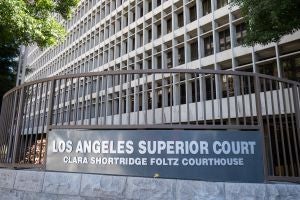
As one of the largest and busiest criminal courthouses in California, it serves as a central hub for everything from first appearances to complex felony trials.
Facing court can feel overwhelming, especially if you are unfamiliar with the process. Each stage—arraignment, pretrial hearings, and potential trial—carries important legal consequences that can affect your freedom, record, and future.
Your optimal opportunity for a favorable outcome lies with an experienced California criminal defense attorney at Eisner Gorin LLP.
To arrange a consultation, please contact us at (818) 781-1570 or reach out to us through our contact page.
This guide explains how the courthouse operates, what types of cases it handles, and what you can expect at each step, so you can approach your case informed and prepared.
Courthouse Location and Information
Clara Shortridge Foltz Criminal Justice Center
Address:
210 West Temple Street
Los Angeles, CA 90012
This courthouse, commonly referred to as “CJC,” serves as the primary criminal courthouse in downtown Los Angeles.
What Cases Are Handled Here?
The Clara Shortridge Foltz Criminal Justice Center is one of the primary criminal courthouses in Los Angeles County, handling a high volume of cases at every stage of the criminal process—from first appearances to trial and sentencing.
Misdemeanor Cases
Lower-level offenses such as:
- DUI (driving under the influence)
- Petty theft and shoplifting
- Simple assault and battery
- Public intoxication
These cases often involve arraignments, pretrial hearings, and negotiated resolutions.
Felony Cases
More serious charges, including:
- Drug trafficking and possession for sale
- Robbery and burglary
- Domestic violence involving injury
- Weapons offenses
- White-collar crimes
Felony matters may proceed through preliminary hearings under California Penal Code Section 859b before advancing to trial.
Arraignments and Custody Cases
The courthouse handles initial appearances for defendants in custody, where:
- Charges are formally presented
- Bail is addressed under California Penal Code Section 1270
- Future court dates are scheduled
Pretrial Hearings and Motions
Attorneys litigate key issues such as:
- Suppression of evidence under California Penal Code Section 1538.5
- Early dismissal motions under California Penal Code Section 991
- Discovery disputes and evidentiary challenges
Trial Proceedings
Both jury and bench trials are conducted for misdemeanor and felony cases when no resolution is reached through negotiation.
Post-Conviction Matters
The court also handles:
- Sentencing hearings
- Probation violations
- Motions to modify or reduce sentences
Key Takeaway
This courthouse manages the full lifecycle of criminal cases in downtown Los Angeles. Whether you are facing a misdemeanor or a serious felony, each stage—from arraignment to trial—can significantly impact your outcome.
What Happens at This Courthouse?
At the Clara Shortridge Foltz Criminal Justice Center, criminal cases move through a structured process that begins with your first appearance and can continue through trial and sentencing.
Each stage is an opportunity to protect your rights, challenge the evidence, and shape the outcome of your case.
Arraignment (First Court Appearance)
This is where your case officially begins in court. The judge will:
- Inform you of the charges
- Advise you of your rights
- Ask you to enter a plea (typically not guilty)
- Address release conditions or bail under California Penal Code Section 1270
Your decisions at this stage can impact everything that follows.
Bail and Release Decisions
If you are in custody, the court will decide whether you:
- Remain in custody
- Post bail
- Qualify for release on your own recognizance
Judges evaluate factors such as public safety, flight risk, and criminal history.
Pretrial Hearings and Motions
This phase is where much of the legal work happens. Your attorney may:
- Review evidence and police reports (discovery)
- File motions to suppress evidence under California Penal Code Section 1538.5
- Seek early dismissal under California Penal Code Section 991
- Negotiate with prosecutors for reduced charges
Many cases are resolved during this stage.
Preliminary Hearing (Felony Cases)
In felony matters, the court holds a preliminary hearing to determine whether there is enough evidence to proceed under California Penal Code Section 859b.
If the judge finds sufficient evidence, the case moves forward to trial.
Trial
If no agreement is reached, the case proceeds to trial, where:
- Evidence is presented
- Witnesses testify
- A judge or jury determines guilt or innocence
Trials require careful preparation and strong legal advocacy.
Sentencing or Case Resolution
If a case ends in a conviction or plea, the court will impose penalties, which may include:
- Jail or prison time
- Probation
- Fines or restitution
- Alternative sentencing programs
Key Takeaway
Most cases at this courthouse are resolved before trial, often during the pretrial phase. However, every stage is critical. A strong legal strategy early in the process can lead to reduced charges, dismissal, or a more favorable outcome.
What to Expect When You Arrive
- Security screening at entry
- Multiple courtrooms handling different case types
- Long wait times due to high case volume
- Interaction with clerks, prosecutors, and defense attorneys
Arrive early, dress appropriately, and bring all necessary documents.
Your Rights in Criminal Court
You have important constitutional protections, including:
- Sixth Amendment to the United States Constitution – right to an attorney
- Fifth Amendment to the United States Constitution – right to remain silent
- Fourteenth Amendment to the United States Constitution – right to fair legal proceedings
Why Legal Representation Matters
The Clara Shortridge Foltz Criminal Justice Center handles high-volume, high-stakes cases. An experienced defense attorney can:
- Navigate complex court procedures
- Advocate for reduced bail or release
- File strategic motions
- Negotiate with prosecutors
- Prepare a strong defense
Common Defense Strategies
Challenging Evidence
Using motions under California Penal Code Section 1538.5 to exclude unlawful evidence.
Early Dismissal
Seeking dismissal under California Penal Code Section 991 in appropriate cases.
Negotiation
Working toward reduced charges or alternative sentencing.
Trial Defense
Presenting evidence and challenging the prosecution's case.
Related Laws
- California Penal Code Section 1270 – Bail and release procedures
- California Penal Code Section 1538.5 – Challenging unlawful searches
- California Penal Code Section 859b – Preliminary hearing timelines
- California Penal Code Section 991 – Early dismissal of weak cases
Frequently Asked Questions
Where is the courthouse located?
At 210 West Temple Street in downtown Los Angeles.
What cases are handled here?
Criminal cases range from misdemeanors to felonies.
Do I need a lawyer?
Yes. Legal representation is highly recommended.
What happens if I miss court?
A warrant may be issued for your arrest.
How long will my case take?
It depends on the case's complexity.
Can charges be dismissed?
Yes, depending on the evidence and legal strategy.
Key Takeaway
The Clara Shortridge Foltz Criminal Justice Center is a central hub for criminal cases in Los Angeles. Understanding the process and working with an experienced attorney can significantly impact the outcome of your case.
Speak With a Los Angeles Criminal Defense Lawyer
If you have a case at this courthouse, consult with an experienced defense attorney as soon as possible to protect your rights and build a strong legal strategy.
Eisner Gorin LLP is here to assist you whenever you need. Feel free to schedule your consultation today. Our team is based in Los Angeles and ready to support you.
 If you have one phone call from jail, call us! If you are facing criminal charges,